Updated
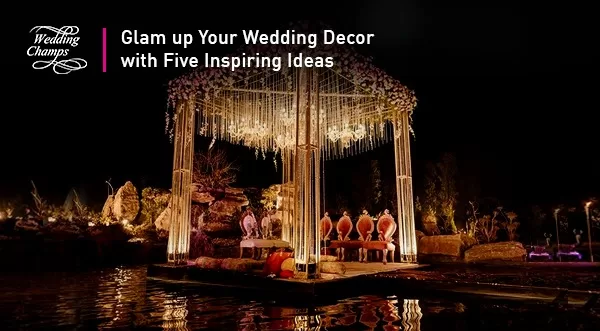
Improve wedding decor without losing sight of the room
A coordinated wedding room starts with proportion, light and the way guests move through it. Choose the areas you want to highlight, then ask the decorator to show how the design fits the actual space.
- Choose a focal area only after confirming the stage, aisle, dance floor and service routes.
- Test the palette and materials under the venue's real lighting.
- Use itemised quantities and dimensions so quotations can be compared fairly.
Spend where photographs and guests meet
The entrance, ceremony focus, stage and dining tables usually receive the most attention. Scale each element to the room and protect sightlines, exits and service access.
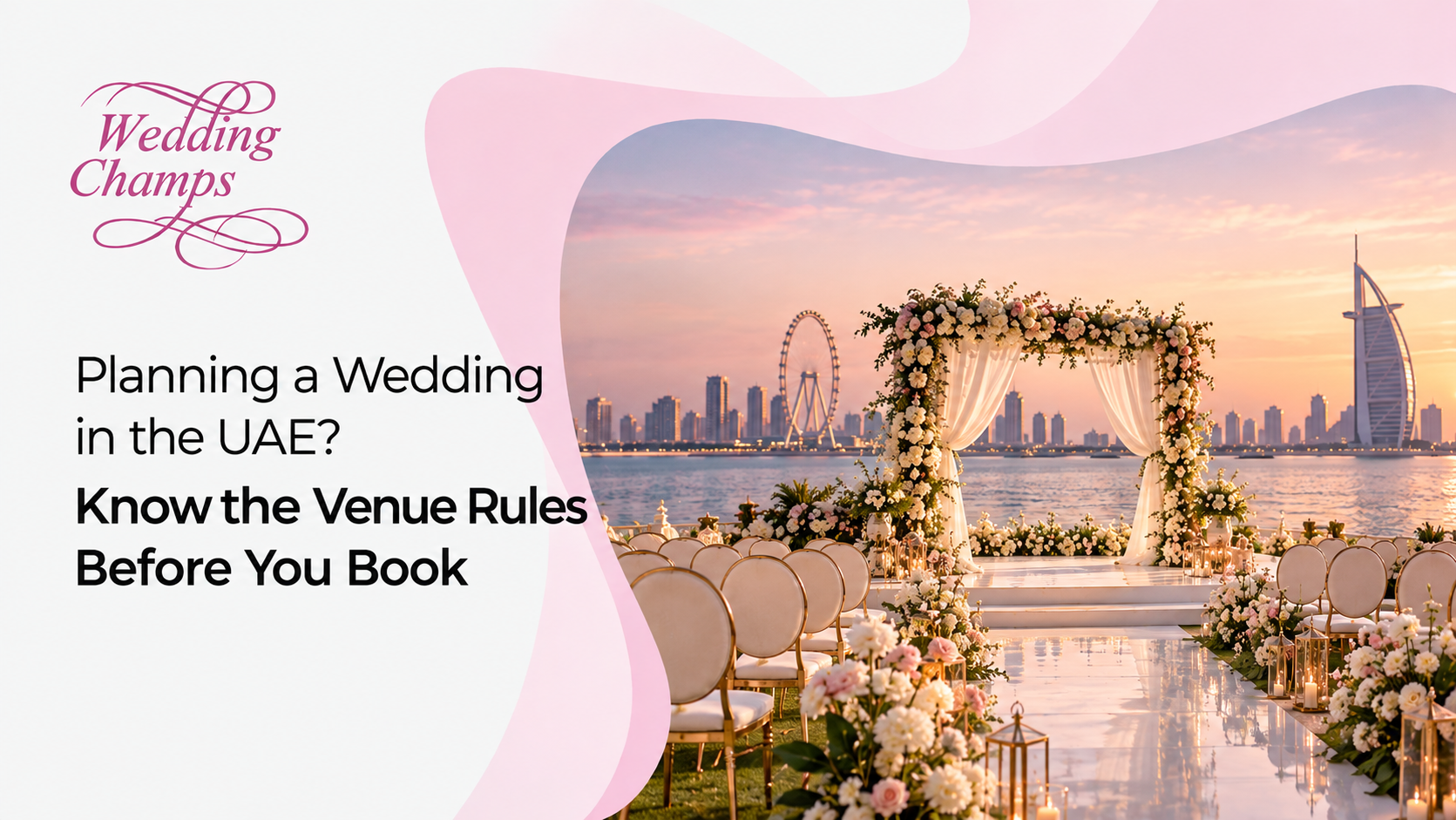
For flowers, compare a ceremony arch, low table arrangements and a backdrop against your priorities rather than ordering all three. Ask for dimensions, flower varieties, quantities and acceptable substitutions. At a sample table, check whether guests can see one another and whether food service still fits.
Ask which pieces can move from the ceremony to the reception, who will move them and when. A flower wall or suspended installation needs its own setup and approval plan; a reference photograph alone is not a production specification.
Confirm safety and venue rules
Get written approval for candles, hanging installations, temporary structures, adhesives and electrical loads. Outdoor plans also need wind, heat and weather alternatives.
Questions couples ask
What makes wedding decor look more coordinated?
Use a controlled palette, repeat a small number of materials and scale each element to the actual room. Test everything under the venue lighting.
How should wedding decor quotations be compared?
Request quantities, dimensions, materials, florals, lighting, labour, transport, setup, removal, taxes and substitutions against the same approved brief.