
Saudi Wedding Traditions: Customs, Etiquette and Planning
Wedding Around The World · December 15, 2015
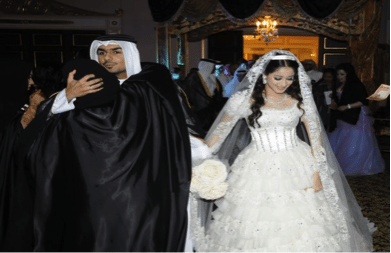
Saudi weddings bring together the marriage contract, family hospitality and one or more celebrations. There is no single schedule that represents every Saudi couple. Customs can differ by region, family, faith practice and personal preference, while many couples combine heritage with contemporary venues, fashion and production.
For guests and planners, the safest approach is simple: use cultural background to ask better questions, then follow the couple’s own instructions.
The marriage contract
The legal and religious marriage contract is central to a Muslim marriage. Families may use different names for related gatherings, and the contract may take place before the main reception. The couple should confirm the authorised process, witnesses and documents with the relevant Saudi authority or marriage official rather than relying on a celebration guide.
Because the contract and reception do not always happen on the same day, invitations should state clearly which event a guest is attending.
Family gatherings before the wedding
Engagement and pre-wedding gatherings vary widely. Some families hold a formal meeting or celebration, while others keep this stage private. Henna, gifts, jewellery, music or family meals may be included, but none should be treated as compulsory for every wedding.
When planning in the UAE for a Saudi family, ask:
- which gatherings will be held and on which dates;
- who will attend each event;
- whether separate spaces are needed;
- which family members approve ceremonial and hospitality details; and
- what privacy rules apply to photography and social media.
Wedding celebrations and hospitality
A Saudi wedding reception can range from an intimate family gathering to a large ballroom celebration. Some families hold separate celebrations for women and men; others organise events differently. Guests should follow the format stated by the hosts instead of making assumptions.
Hospitality is important at many celebrations. Arabic coffee, dates, sweets and a meal may be served, but menus and service styles vary. The caterer should work from the hosts’ chosen dishes, service timing and dietary needs—not from a fixed idea of what a Saudi wedding must include.
The entrance and zaffa
A zaffa is a wedding procession or entrance used across several Arab communities. Its music, pace and participants can differ. Some couples choose a traditional entrance, while others create a contemporary production or a quieter family moment.
The venue, planner, musicians and photographer should rehearse the route and timing. Confirm sightlines, stage access, lighting, sound and whether cameras are permitted throughout the entrance.
Dress, privacy and photography etiquette
The invitation or hosts are the best source of dress guidance. A formal Saudi celebration may have expectations that differ from a hotel wedding elsewhere, especially when the event has separate spaces.
Photography requires particular care. At some celebrations, guests may be asked not to photograph or record certain people or areas. Do not post images or video without clear permission. The planning team should provide discreet signage and brief photographers, videographers and venue staff in advance.
Advice for guests
- Read the invitation carefully and confirm which event or events it covers.
- Ask the hosts if the arrival time differs from the programme start.
- Follow the requested dress code and seating arrangements.
- Do not assume that photography or social posting is allowed.
- Respect family-specific customs even when they differ from another Saudi wedding you have attended.
Planning a Saudi wedding in Dubai or the UAE
A useful supplier brief should explain the guest count, family spaces, privacy level, entrance, stage, catering, entertainment and prayer requirements. It should also identify who can approve decisions for each event. This prevents suppliers from substituting generic “Arabic wedding” ideas for the family’s actual preferences.
The result should feel recognisable to the couple and comfortable for their guests. Good cultural planning is not about copying a checklist; it is about listening carefully, documenting decisions and delivering them respectfully.
Let's plan your destination wedding
Share a few details and a dedicated planner replies within 24 hours with venues, ideas and honest pricing. No pressure, no obligation.