Updated
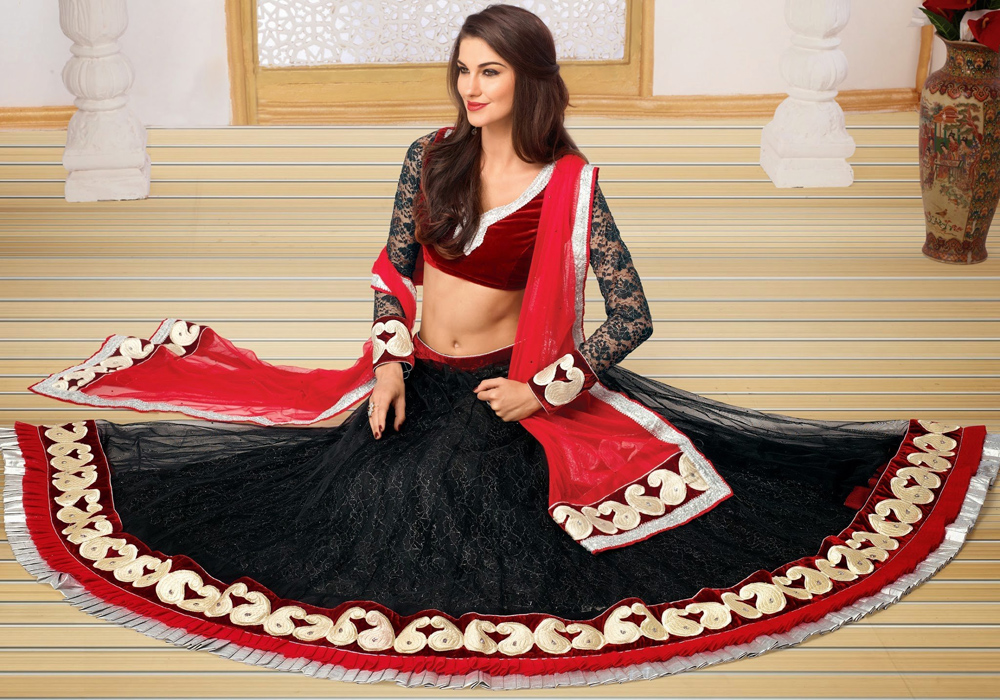
Choose a lehenga for the event, movement and alterations
A useful bridal lehenga guide is not tied to a past trend year. The right choice should suit the ceremony, venue, climate, comfort and the bride’s own style.
- Try the complete outfit with blouse, dupatta, jewellery and wedding shoes, then sit, walk, climb steps and practise key ceremony movements.
- Confirm fabric, handwork, lining, weight, custom changes, fitting dates, delivery, cleaning and alteration responsibility in writing.
Indian bridal lehengas range from classic panelled and A-line shapes to layered, jacket, cape and trail designs. No one cut is right for every bride. The useful test is how the complete outfit works with the ceremony, venue, climate, movement and personal style.
Start with the wedding event
A lighter outfit may suit a daytime mehndi or outdoor event, while a structured or heavily worked lehenga may suit a formal reception. This is a choice, not a rule. Many brides repeat colours and pieces across events or choose one outfit that reflects family craft and personal meaning.
Compare shape and movement
Try different silhouettes, then test them beyond the fitting-room mirror:
- sit on the type of seat used in the ceremony;
- walk and use stairs;
- practise key ritual movements;
- turn and dance;
- lift the skirt safely when moving;
- check how the dupatta and veil stay in place.
The blouse, skirt, dupatta, jewellery and shoes should be tried together before final approval.
Understand fabric and handwork
Ask the boutique or designer to name the fabric, lining, embroidery and embellishment technique. Heavy velvet, dense handwork or multiple layers may feel different in a warm outdoor setting than in an air-conditioned ballroom.
Request care instructions for delicate embroidery, mirrors, stones or metallic work. Also ask what happens if a material becomes unavailable during production.
Confirm the order and alteration schedule
Record:
- final design, colour and material;
- measurements and who took them;
- custom changes;
- trial and alteration dates;
- final collection or delivery;
- steaming, storage and cleaning;
- payment and cancellation terms.
Allow enough time to correct the fit without relying on a last-day alteration. Browse bridal fashion listings and compare recent work, process and written terms.
Questions couples ask
Which bridal lehenga style is best?
There is no single best cut. Compare shape, fabric, weight and drape with the bride’s comfort, ceremony movements, venue and styling plan.
When should a bride order or alter a lehenga?
Timing depends on custom work and the boutique. Obtain a written schedule with measurement, trial, alteration and collection dates, leaving time for corrections.